
Ducks are some of the cheapest backyard poultry you can keep. They’re hardy, low-maintenance, and grow fast — but the real cost depends on the breed you choose, whether you buy ducklings or adults, and the ongoing bill for feed, bedding, and housing. Here’s an honest, up-to-date breakdown for 2026.
How much does a duck cost? Most common backyard breeds — Pekin, Rouen, Cayuga, and Indian Runner — cost about $7 to $15 per duckling from a hatchery, with sexed females running $15 to $25 and rare or bantam breeds like the Call duck $20 to $60+. Started or adult laying ducks usually cost $20 to $60 each. Beyond the bird, budget for shipping and minimum-order fees, a one-time brooder setup, and roughly $100 to $150 a year per duck in feed and bedding.
Aside from buying the bird, you’ll spend money on a brooder, feed, bedding, housing, and the occasional vet visit. The good news: ducks are forgiving and cheap to keep once they’re set up, so a small flock stays very manageable for a backyard keeper.
Duck Price by Breed (2026)
Duckling prices vary mostly by breed popularity and rarity. The figures below reflect current U.S. hatchery and breeder pricing for small backyard orders. Sexed females cost more than unsexed (“straight run”) ducklings because most keepers want layers, and males (drakes) are the cheapest.
| Breed | Typical duckling price (each) | Best known for |
|---|---|---|
| Pekin | $8 – $11 | Meat & eggs, friendly pet |
| Indian Runner | $7 – $13 | Prolific eggs, foraging |
| Rouen | $8 – $14 | Meat & show |
| Cayuga | $9 – $16 | Eggs, ornamental black plumage |
| Khaki Campbell | $9 – $19 (females higher) | Top egg layer |
| Muscovy | $10 – $20 | Lean meat, pest control |
| Welsh Harlequin | $10 – $20 | Eggs, dual purpose |
| Call duck (bantam) | $20 – $60+ | Ornamental pet |
| Adult / started layer | $20 – $60 | Skip the brooding stage |
So if you want the cheapest start, unsexed Pekin or Indian Runner ducklings are usually the most affordable at around $7 to $11 each. The most expensive are ornamental bantams like Call ducks and rare heritage breeds, which can top $60.
Ducklings vs. Adult Ducks
Ducklings are cheaper up front, but adults save you the brooding setup. A duckling costs less per bird, but you’ll need a heated brooder, starter feed, and about 5 to 6 weeks of close care before it can move outside. Started or point-of-lay ducks (4+ months old) cost more — typically $20 to $60 from a local breeder — but they skip the fragile baby stage and a layer may start producing eggs almost right away.
Hidden Upfront Costs
The sticker price on a duckling isn’t the whole story. When buying from a hatchery, watch for:
- Minimum orders: many hatcheries require a minimum of 2 to 10 ducklings so the birds stay warm in transit.
- Live shipping: expect roughly $40 to $60 to ship ducklings, sometimes more.
- Small-order fees: ordering just a few birds often adds a surcharge.
- Brooder setup: a heat source, feeder, waterer, and bedding for the first weeks.
Buying locally from a feed store or breeder sidesteps shipping costs, which is why ducklings often feel cheaper in spring when stores stock them.
Are Ducks Expensive to Raise?
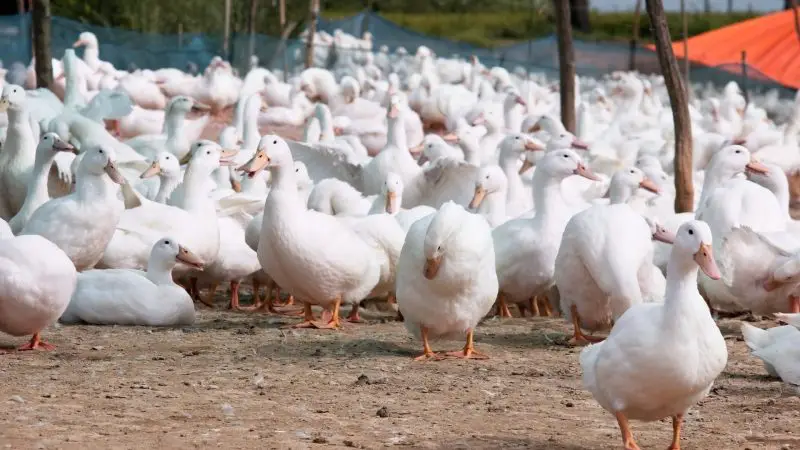
Ducks are not expensive to raise. The bird itself is cheap; the ongoing cost is mostly feed and bedding. With feed prices higher than they were a few years ago, plan on roughly $100 to $150 per duck per year — more if you buy premium feed or have little space to let them forage. Here’s a realistic annual estimate per duck:
| Ongoing cost (per duck/year) | Estimate |
|---|---|
| Feed (~6–8 lb/month) | $70 – $120 |
| Bedding (wood shavings/straw) | $20 – $40 |
| Supplements / grit | $5 – $15 |
| Healthcare (set-aside) | $5 – $20 |
| Approx. total | $100 – $150 |
Per-bird costs drop as your flock grows because you buy feed and bedding in bulk. One-time housing (a coop or converted shed) can run anywhere from $100 for a DIY build to $500+ for a ready-made setup, but it lasts for years.
Are Ducks Worth Raising?
Ducks are worth raising. They grow quickly and stay low-maintenance, and the best layers — Khaki Campbell, Indian Runner, and Welsh Harlequin — can out-lay many chicken breeds. Meat breeds like Pekin reach market weight in roughly 7 to 8 weeks. Historically, ducks have been praised as efficient farm animals, and there’s even research on duck production helping reduce poverty in rural Asian communities.
How Much Can You Sell Duck Eggs For?
Duck eggs sell at a premium over chicken eggs because they’re larger and richer. A dozen typically fetches $6 to $12 at farmers’ markets, with rarer or organic eggs going higher. If you want to learn what makes them special, see our guide to duck eggs vs. chicken eggs.
How Many Ducks Do You Need For a Farm?
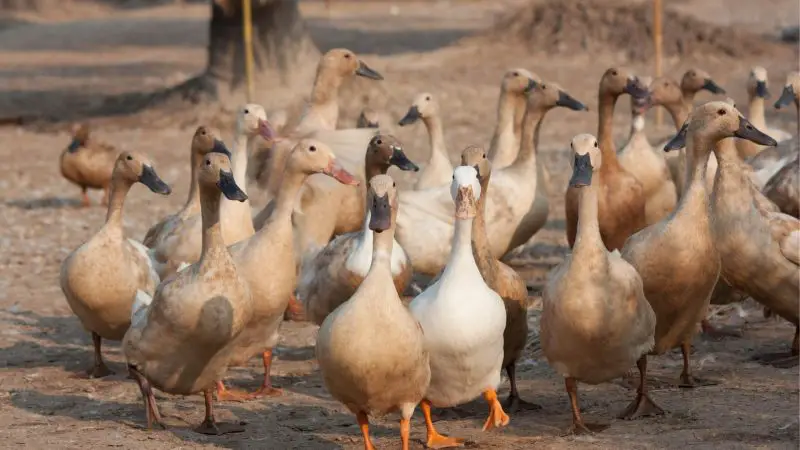
The number of ducks you need depends on your purpose and whether you start with ducklings or adults. Because ducks are social flock animals, never keep just one — always start with at least two. Here’s a quick guide:
| Purpose | Number of Ducks | Male | Female |
| Backyard pets (can be same gender) | 3 | 1 | 2 |
| Small-sized hobby flock | 4 to 5 adults | 1 | 3 to 4 |
| Mid-sized hobby flock | 15 to 20 adults | 4 to 5 | 15 to 16 |
| Hobby pair | 2 adults | 1 | 1 |
| Rare breed flock (minimum) | 4 or more adults | 2 or more | 2 or more |
| Ducklings – straight run | 10 | 5 | 5 |
| Ducklings – sexed | 5 to 6 | 2 | 3 to 4 |
If you only want eggs for the kitchen, all-female ducks are fine — you don’t need a drake for hens to lay.
What You Need to Know Before Raising Ducks
1. Feeding ducks
Avoid medicated feed — ducks eat more than chickens and can overdose on medicated chick starter. Ducks also enjoy fruits, vegetables, grains, and leafy greens as treats. Growing ducklings need about 18–20% protein; laying ducks do best on a lower-energy layer ration so they don’t get overweight, which slows egg production. Ducks need extra niacin, so a waterfowl feed (or a niacin supplement like brewer’s yeast) is ideal for ducklings.
2. Water
Ducks are waterfowl, so a constant supply of clean water is a must. They need water deep enough to dunk their entire bill and rinse their eyes and nostrils. A chick waterer works for ducklings; an old jug or rubber tub works for adults. Domesticated ducks don’t need a pond, but they will turn any water source into a muddy mess, so plan to refresh it often.
3. Brooder and outdoor housing
Ducklings need a brooder kept around 85–90℉ in the first week, dropping about 5℉ a week. Ducks are messy — they scatter feed and splash water — so use absorbent bedding like wood shavings and change it often.
Brooding Supplies Costs
A DIY brooder can cost as little as $25 with a heat lamp. You can also pick up rubber bowls and a poultry bucket feeder. A kiddie pool for ducklings runs about $10 to $20. Since ducks love water, you may also want a poultry tub with a submersible de-icer for winter.
To save time, an all-in-one brooder kit runs over a hundred dollars but includes bedding, waterer, feeder, and a thermostatically controlled container.
Low-Cost DIY Brooder Setup
What you need:
- Cardboard box or plastic tote
- Duck or waterfowl starter feed
- Bedding (wood shavings work well)
- Empty milk bottle or jug for water
- Cooling rack (use two if the holes are large)
- Feeder or shallow bowl
- Thermometer to check the temperature
- A No products found. or a heat plate
Steps:
Step 1: Pick a safe, draft-free spot. A heat lamp or plate keeps ducklings warm even in cold climates.
Step 2: Make sure the box fits all your ducklings — allow 1 to 1.5 square feet each. Line the bottom with wood shavings for easy cleaning.
Step 3: Set food and water over a pan with a cooling rack to catch the inevitable spills.
Step 4: Build a low-mess waterer from a jug — cut holes the ducklings can reach without climbing in.
Step 5: Mount the heat source safely so it never touches the ducks or bedding (a fire risk).
What Duck Breeds Are Good to Raise?
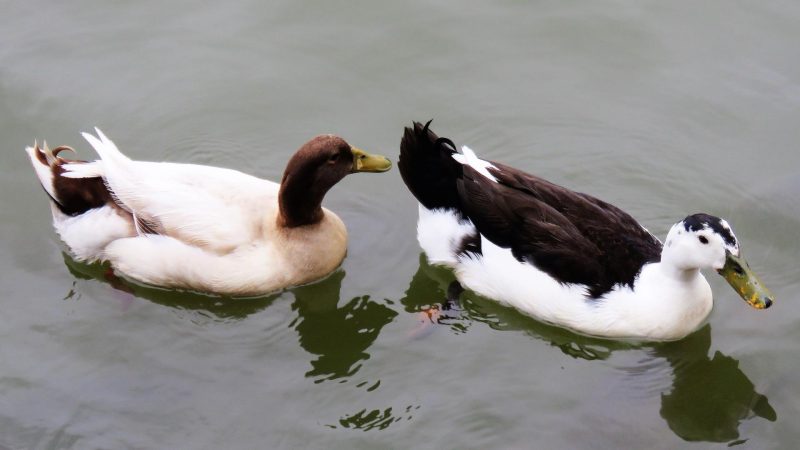
For meat, Pekin, Moulard, Muscovy, and Rouen are the top choices. For eggs, the best layers are Indian Runner, Khaki Campbell, and Welsh Harlequin. If you’re drawn to looks, many keepers love the striking black and white duck breeds like the Cayuga, Magpie, and Ancona.
What Do Baby Ducks Need?
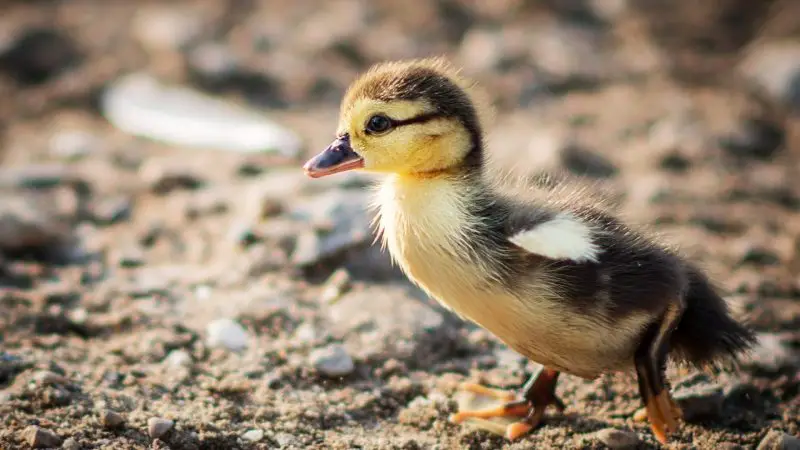
Baby ducks need a warm brooder, clean water, and starter feed. Use a heat source appropriate to the brooder size and lower the temperature gradually. Ducklings love water but tire quickly and can drown — their oil glands aren’t developed yet — so supervise any swimming. Feed an unmedicated starter (ideally a waterfowl feed) for proper growth.
Do Ducks Make Good Pets?
Ducks make affable, entertaining pets — the friendliest breeds are Pekin, Rouen, Cayuga, and Buff. Just remember they’re flock animals and need company, plus daily access to water and outdoor space. Some people even keep them indoors part-time; see whether you can keep a duck inside your house before you try it.
Frequently Asked Questions
How much does a single duckling cost?
A single duckling of a common breed (Pekin, Indian Runner, Rouen) costs about $7 to $15 from a hatchery or feed store. Rare and bantam breeds like Call ducks cost $20 to $60 or more.
How much does it cost to keep a duck per year?
Plan on roughly $100 to $150 per duck per year, mostly for feed and bedding. Per-bird costs drop as your flock grows because you buy supplies in bulk.
What is the cheapest duck breed?
Unsexed Pekin and Indian Runner ducklings are usually the cheapest, often $7 to $11 each. Male (drake) ducklings of any breed are also less expensive than females.
Why do female ducklings cost more?
Most keepers want females for egg-laying, so demand pushes their price up. Sexed females can cost $5 to $10 more per bird than unsexed or male ducklings.
Do I have to buy more than one duck?
Yes. Ducks are social flock animals and a single duck can become stressed and lonely, so always keep at least two. Most hatcheries also require a minimum order so the ducklings stay warm in shipping.
Related Duck Guides
- 16 Black and White Duck Breeds (With Pictures & ID)
- Duck Eggs: Nutrition, Taste & vs Chicken Eggs
- Can You Keep a Duck Inside Your House?
- Raising Chickens and Ducks Together
- Magpie Duck: Eggs, Size, Temperament & Care
List of Sources
Are Farm Ducks Profitable—or “Gold Bricks”?