
Emus are one of the most expensive birds that are endemic to Australia. A breeding pair usually costs about $800 to $1,500, while a fertile emu egg runs around $20 to $100 each.
So, how much does an emu cost? Emus are surprisingly affordable to buy. A fertile hatching egg costs around $20 to $100, and a young chick typically sells for about $50 to $450 each. A breeding pair usually runs $800 to $1,500 (rare, proven pairs can fetch more) — a modest livestock purchase, not a five-figure one.
In this article, you’ll get to know the physical attributes of Emus, the cost per yearling, and the space they need to live comfortably. Moreover, you’ll also get extra information on the legalities in raising an emu and if it’s a really profitable business.
Quick Answer: How Much Does an Emu Cost? (2026)
- Most emus cost between $50 and $1,500 in 2026 — chicks run about $50–$450, yearlings $350–$800, and a full breeding pair usually $800–$1,500. The five-figure prices you still see online are leftovers from the 1990s emu boom and no longer reflect the market.
- Eggs & chicks: fertile hatching eggs are about $20–$100 each; day-old to few-month chicks $50–$450, with blonde/white color morphs priced higher. Local pickup is common since chicks ship poorly.
- One-time setup: emus need strong 6-ft woven-wire or chain-link fencing (roughly $8–$17 per foot installed) plus a shelter and a large pen — budget several hundred to a few thousand dollars.
- Ongoing upkeep: ratite/emu pellet feed, minerals, and routine vet care typically run about $30–$60+ per bird per month (~$400–$700+ a year).
- Legality: emus are usually kept as livestock, but rules vary — some states, counties, or cities require a permit or ban them, so check state and local law before buying.
- Key caveat: emu farming is a niche hobby business, not a reliable money-maker. The 1990s “next red meat” boom crashed, and the markets for emu oil, meat, and leather stayed thin.
Emu Cost Breakdown (2026)
| Cost item | Typical 2026 US range | Notes |
|---|---|---|
| Chick (day-old to ~4 months) | $50 – $450 each | Standard brown cheapest; blonde/white morphs $400+; usually local pickup only |
| Yearling | $350 – $800 each | Sexed pairs roughly $700 – $1,500 |
| Adult / proven breeding pair | $800 – $1,500 per pair | Rare, heavily productive proven pairs can fetch more |
| Fertile hatching egg | $20 – $100 each | For hatching your own; higher from established breeders |
| One-time setup (fencing + shelter) | ~$8 – $17 per ft. installed | Strong 6-ft woven-wire/chain-link fence, large pen (~30×100 ft), shelter |
| Annual upkeep (feed, minerals, vet) | ~$400 – $700+ per bird/yr | Ratite/emu pellets, greens, routine vet care |
| Legality / permit | $0 – varies by state & city | Often livestock (no permit); some states/cities require a permit or ban emus |
What Are Emus? What Do They Look Like?
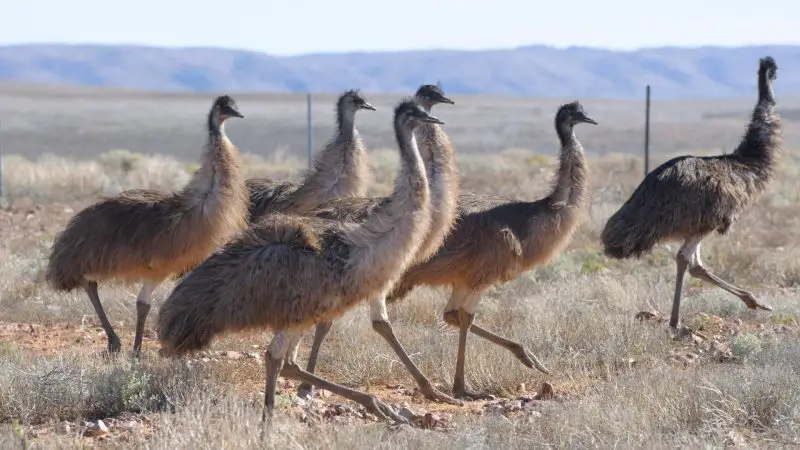
Emus are the second-largest birds, next to ostrich. They’re native to Australia and can be recognized with their fuzzy, gray-brown to black plumage.
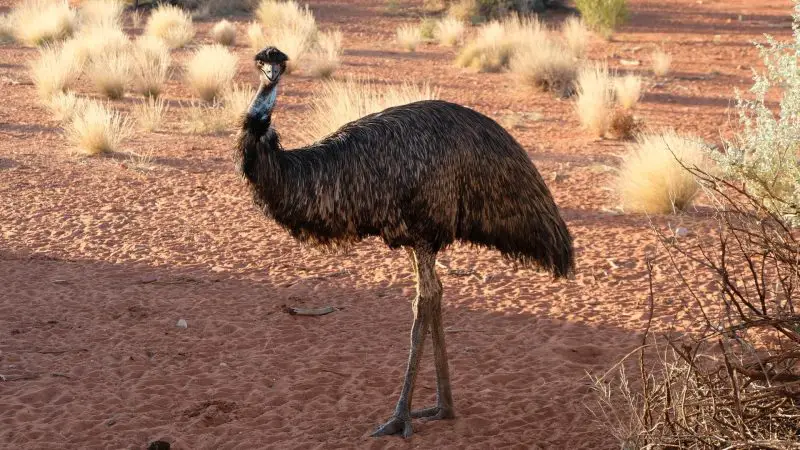
They also have bare skin near their face and neck with a distinctive blue-black color. On the other hand, emu chicks are gray in color with either black or brown stripes, allowing them to camouflage from predators.
Furthermore, their vestigial ‘winglets’ are hidden under their shaggy plumage, that’s only 20cm long.
How Many Years Do Emus Live?
Emus can live up to 5-10 years in the wild and 35 years in captivity.
How Much Does a Full Grown Emu Cost?
For full-grown, proven breeding pairs, expect roughly $800 to $1,500 per pair, occasionally more for a proven, heavily productive pair. The five-figure prices sometimes quoted online date back to the 1990s emu boom and no longer reflect the market.
Is It Legal to Own an Emu?
In much of the U.S. you can raise emus as livestock without a special permit, but this varies by state, county, and city. Some places require a permit, proof of adequate housing, or ban them outright, so check with your state agriculture or wildlife department and local ordinances before buying.
What’s the Price of an Emu Egg?
A fertile emu egg can cost around $100, but some propose $20 per egg. To get the best emu eggs, it’s best to buy from established emu breeders, recommended breeders, or purchase them from reputable websites and social media pages.
How Much Does a Yearling of Emu Cost?
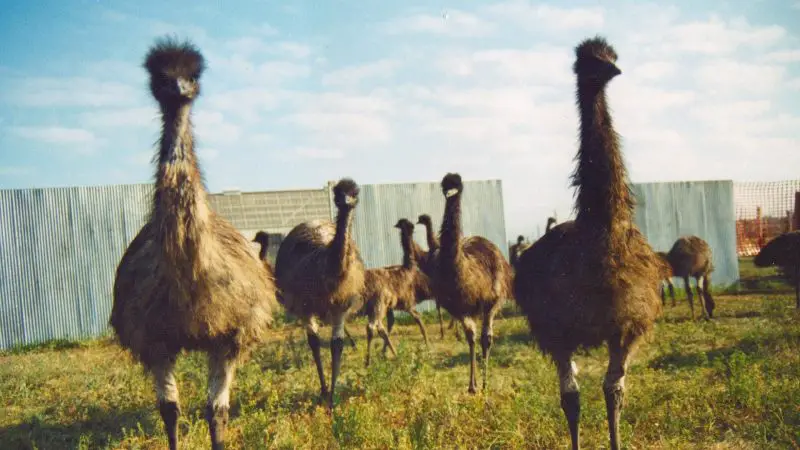
Buying the yearling of emus has many benefits over young chicks in terms of insurability, size, and conformation. A pair of emu yearlings typically costs about $700 to $1,500.
This means a single emu yearling usually costs around $350 to $800, depending on where you buy it. Prices vary by breeder and region, so always do your research and compare before buying one.
How Much Does a Pair of Proven Breeding Emus Cost?
A proven breeding pair of emus generally costs about $800 to $1,500, based on how many fertile eggs the pair has produced in past mating seasons. A proven breeding pair can produce around thirty to fifty fertile eggs each mating season.
How Much Space Does an Emu Need?
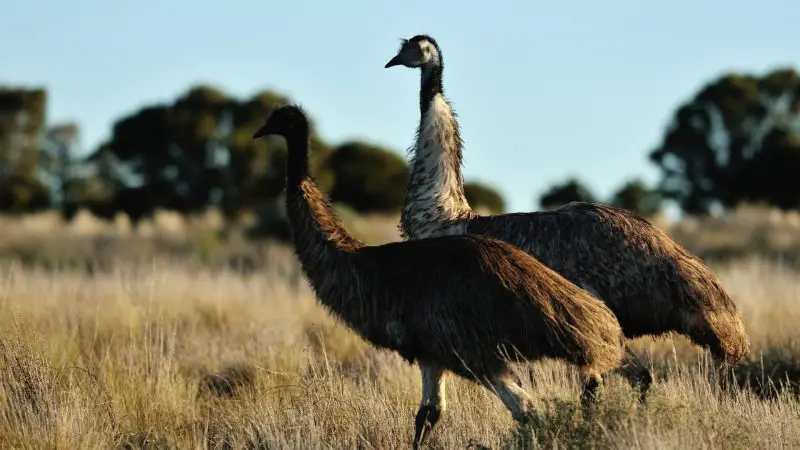
Emus are active birds and require a wide living space as they need enough space to run. A pair of emu needs approximately 30×100 ft. pen per pair space.
These large birds are energetic jumpers, so fencing them is crucial to managing them. They’ll also need shelter and feed pens.
Is Emu Farming Really Profitable?
Emu farming is a niche business, not a guaranteed money-maker. The 1990s emu boom — when a breeding pair could sell for $10,000 or more — collapsed once supply outran demand, and pair prices crashed to around $1,000. The U.S. emu population has fallen sharply since. There is still a small market for emu oil, red meat, and leather, but processors and buyers are limited, so treat it as a passion project rather than a get-rich scheme.
In fact, according to research gate, if you buy young chicks and raise them to adulthood, a proven breeding pair generally sells for about $800 to $1,500 in today’s market.
Furthermore, you can sell an emu for slaughtering and will get paid around $500 to $800 per grown-up animal. A single breeding pair can yield more meat and leather than a pair of cow breeding.
An adult emu also produces approximately seven to eight liters of fine oil used in creams, fragrances, and pharmaceuticals. You can also sell the leathers and feathers of emu, which adds up a lot to the major value in the revenue of emu farming.
Emu Chick Prices
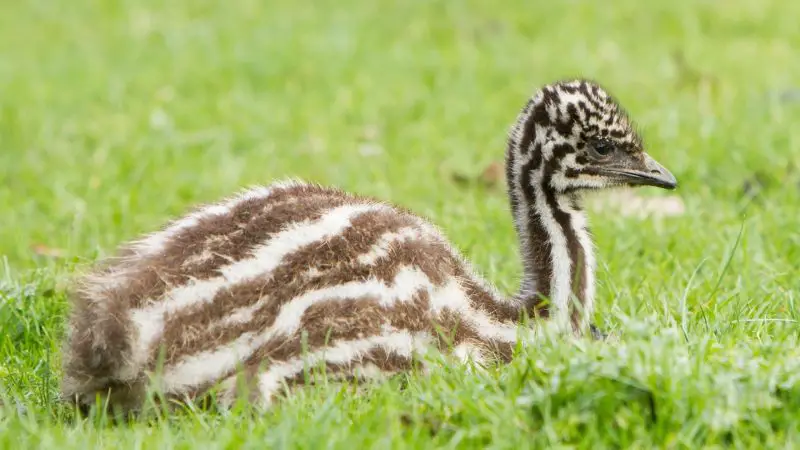
An emu chick’s cost varies depending on its maturity, breeding qualities, and origin. A chick from good breeding stock typically costs around $50 to $450, with rare color morphs like blonde or white priced higher.
Fencing Cost for Emu
A fence of at least six-foot is generally advised for keeping an emu well. It must ideally be of good quality and crafted from woven wire or chain links.
The price to establish the emu fence relies on the covered area. Fence installation from professionals costs approximately $8 to $17 per foot.
Nutritional Value of Emu Meat
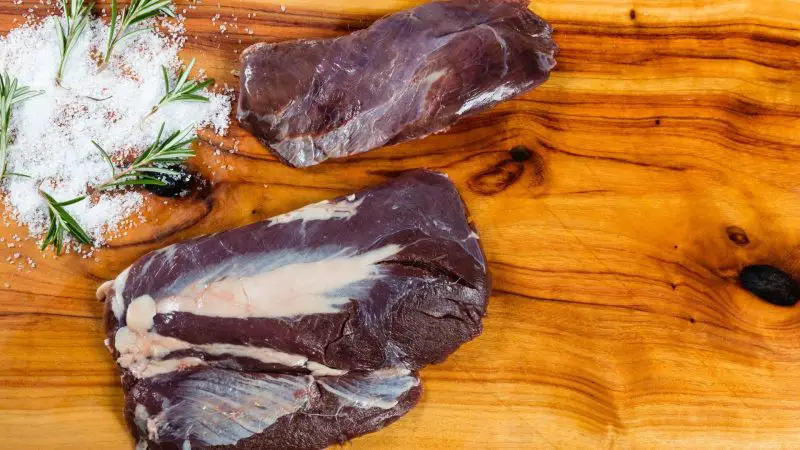
The meat of emu contains far better nutritional value than beef, pork meat, and chicken regarding cholesterol amounts, fats, and proteins. Its red meat also has a promising future in the industry because of its low fats and cholesterols content.
The red meat of emu contains:
- Vitamin E
- High proteins
- Low cholesterols
- Vitamin C
- Iron
- Lesser fat content
This meat is typically lean, adding it to the healthy protein choices list by AHA or American Heart Association.
Emu Ranching and Revenue
Emu is a ratite family member, originated in Australia, and is rarely observed in the United States. They are observed as the second to the largest bird, after the ostrich.
These huge birds possess a relatively calm temperament and are easy to manage. Furthermore, emus are a little shy and can get particularly curious with shiny objects.
According to research gate, raising emu is practically profitable as you can sell them in various forms. For example, you can sell a fertile emu egg for around $20 to $100, a chick for roughly $50 to $450, and a breeding pair for about $800 to $1,500.
Moreover, you can sell its oil for a relatively high price as well as its popular red meat and fine leather. Thus, you can get considerable revenue if you decide to do emu ranching well.
What Are the Different Emu Products?
In raising emus, you can get a good amount of revenue from its various products, such as:
Red Meat
Emus are known as great providers of red, lean meat—which is low in cholesterol and fats. On top of that, it’s high in proteins and iron, making it a valuable diet item among healthy foods.
Fine Leather
Another significant benefit and revenue of emus in the ranching industry are their high-quality leather made from their skins. Their top-grade skins can be made into handbags, wallets, shoes, and western boots.
Emu Oil
Emu oil is a side product of the fat stores of emus. It comprises Omega 9,3,6 fatty acids utilized in skin moisturizers.
One emu can produce around 6 liters of oil, which can be used in pharmaceuticals, rubbing oils, fragrances, and creams.
Frequently Asked Questions
Do Emus Make Good Pets?
Emus can make good pets, but they have particular needs that will require a great deal of your patience and time due to their curiosity. They can also be affectionate and gentle birds but can shift into the moody and aggressive mode when provoked.
Are Emus Aggressive?
Emus aren’t typically aggressive but can get feisty when they’re provoked or if they sense their young are in danger.
How Often Do Emus Lay Eggs?
Emus produce eggs every three to four days, typically between November and March, with approximately 30 to 50 eggs laid per season.
Can an Ostrich and an Emu Mate?
Ostrich and emu can’t mate with each other and are unlikely to produce any offspring due to their genetic code differences. They’re also from different families, making it impossible for them to deliver young even when they try to interbreed.
Why Do Emus Bury Their Head in the Sand?
Emus put their head in the sand to ignore or deny any existing problem, hoping that it’ll go away.
What Is the Distinction between an Emu and a Rhea?
Rhea and emus differ in many ways. For example, rhea is endemic to South America, while emu is native to Australia.
- Weight – Rhea can weigh 40 kg on average, and emu can weigh around 50 kg.
- Physical appearance – Rhea has a gray to brown plumage, while emu possesses brown with white patches. On top of that, emus have shorter necks while rheas are longer.
- Life expectancy – Emu can also live up to 10 to 20 years in the wild, whereas rhea can live up to 20 plus years in the same setting.
- Speed difference – The emu can run up to 50 km/hour, while rhea can run faster at 60 km/hour.
Summary
The emu cost depends on the size, age, breeding qualities of the bird. An emu chick around three to four months old is typically priced at roughly $50 to $450 each bird.
Purchasing a chick costs less, but it does need extra care in the early days. While an adult has a better advantage in form of conformation and breeding qualities.
Furthermore, getting a young chick and raising them to an adult age will generate a lot of revenue in the form of emu products like meat, fine leather, and organic oil.
Related Animal Cost Guides
Curious what other animals cost to buy and keep? Compare these guides from our animal-cost series:
- Animal Cost Guide: Farm & Exotic Prices
- How Much Does an Ostrich Cost?
- How Much Does an Ostrich Egg Cost?
- How Much Does a Peacock Cost?
- How Much Does a Cockatiel Cost?