
Taking care of newly hatched turkeys involves providing them with the proper nutrition, water, heat, shelter, and social environment to thrive. In this comprehensive guide, we will explore the best practices for raising healthy, happy turkey chicks.
Read on to discover practical tips, personal experiences, and advice on how to properly care for turkey chicks, ensuring their well-being from hatchling to adult turkey.
Quick Answer: How Do You Care for Turkey Chicks (Poults)?
- Feed a turkey or game-bird starter at about 28% protein for the first 6-8 weeks — far higher than the 18-20% in chick starter — then step down to a 26% grower.
- Start the brooder at 95-100°F (35-38°C) in week 1 and lower it roughly 5°F each week until poults are fully feathered around 6-8 weeks.
- Poults learn to eat and drink slower than chicks and can die of "starve-out" — dip each beak in the water, add clean marbles to a shallow waterer, and use bright feed surfaces the first days.
- Never brood poults with chicks or on ground chickens have used: chickens carry blackhead disease (histomoniasis), which kills 80-100% of infected turkeys and has no approved U.S. cure.
- Give a vitamin/electrolyte supplement in the water at first and make sure the starter supplies enough niacin, since poults are prone to weak, bowed legs; keep bedding dry and draft-free because poults chill easily.
Turkey Poult Brooder Temperature by Week
| Poult Age | Brooder Temperature | What to Watch |
|---|---|---|
| Week 1 | 95-100°F (35-38°C) | Poults cannot regulate body heat the first 10 days; keep it warm and steady |
| Week 2 | 90-95°F (32-35°C) | Panting/spread out = too hot; huddling under lamp = too cold |
| Week 3 | 85-90°F (29-32°C) | Feathers begin; keep litter bone-dry |
| Week 4 | 80-85°F (27-29°C) | Continue the ~5°F weekly drop |
| Week 5 | 75-80°F (24-27°C) | Mostly feathered and active |
| Week 6 | 70-75°F (21-24°C) | Turn heat off once room temp matches and poults are fully feathered |
| 7-8 weeks | Room temperature / outdoors | Move outside when fully feathered and weather is mild and dry |
Are Turkey Chicks Hard to Raise?
Raising turkey chicks is not necessarily difficult, but it does require attention to detail and commitment. With the right knowledge, patience, and supplies, you can successfully raise healthy and happy turkey chicks. This article will provide you with the necessary information and guidance to make this process as smooth as possible.
Related: Are Turkeys Hard to Raise? | Pros and Cons in Raising Turkeys
Nutrition For Turkey Chicks
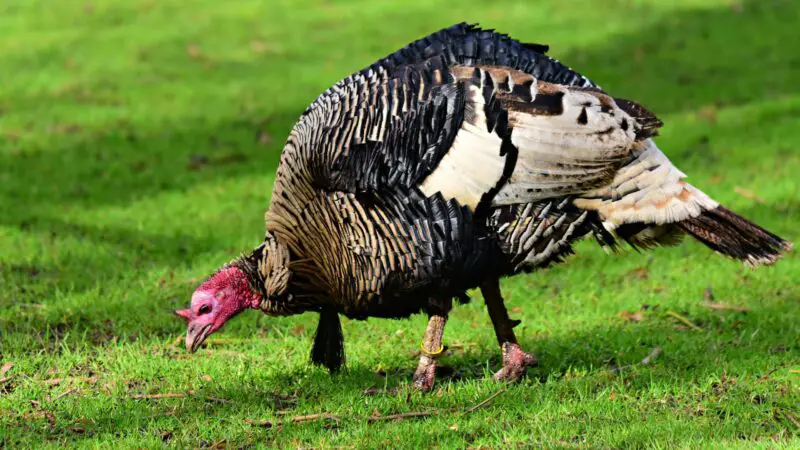
Starter Food Designed For Turkeys
Turkey chicks require a specialized diet to meet their nutritional needs. Feed them a high-quality turkey starter feed that contains at least 28% protein for the first six weeks of their lives. This will ensure they receive the necessary nutrients for optimal growth and development.
Starter Food Designed For Chickens
While some people may use chicken starter feed for turkey chicks, it is not recommended. Turkey chicks have unique nutritional requirements, and chicken starter feed often lacks the appropriate levels of protein, vitamins, and minerals needed for their proper growth.
Water For Turkey Chicks
Clean, fresh water is essential for the health and well-being of turkey chicks. Provide them with a shallow dish or waterer specifically designed for chicks, and make sure to change the water daily to prevent contamination. To avoid drowning accidents, add marbles or pebbles to the water dish, giving the chicks a stable surface to stand on.
Heat Sources For Turkey Chicks
Turkey chicks need a consistent source of warmth during their first few weeks of life. Use a heat lamp or brooder heater to maintain a temperature of 95-100°F (35-38°C) for the first week, gradually decreasing by 5°F each week until the chicks are fully feathered. Monitor the temperature closely to avoid overheating or chilling the chicks.
Living Environment For Turkey Chicks
Provide a clean, dry, and spacious brooder for your turkey chicks. It should be large enough for them to move around comfortably, and lined with absorbent bedding such as pine shavings. Clean the brooder regularly to maintain proper hygiene and minimize the risk of disease.
Social Considerations For Turkey Chicks
Turkeys are social creatures and thrive when raised with other birds. To ensure their well-being, raise turkey chicks in groups, allowing them to form bonds and develop social skills. Monitor their behavior and separate any overly aggressive birds to prevent injuries.
Turkey Chick Health Considerations
Keep an eye on the overall health of your turkey chicks, watching for signs of illness or injury. Common health issues include respiratory infections, coccidiosis, and injuries from pecking or overcrowding. Contact a veterinarian if you suspect any health issues, and follow their recommendations for treatment and prevention.
Facts About Raising Turkeys
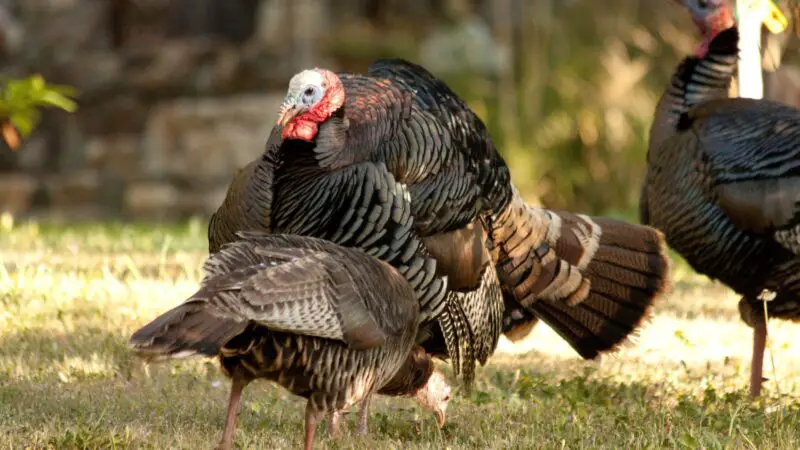
- Turkeys are intelligent and curious birds, making them engaging pets or farm animals.
- They grow quickly, reaching their adult size in just a few months.
- Turkeys can be raised for meat, eggs, or as pets and companions.
Related Questions
What age can turkey chicks go outside?
Turkey chicks can be moved outside once they are fully feathered and can maintain their body temperature, typically around 6-8 weeks of age.
How long do turkey chicks need heat?
Turkey chicks need supplemental heat for about 6 weeks, with the temperature reduced by roughly 5°F each week until they are fully feathered. Poults chill more easily than baby chickens, so keep them warm, dry, and draft-free and leave the heat on longer in cold weather.
How long do turkeys stay in the brooder?
Turkeys typically stay in the brooder for 6-8 weeks, until they are fully feathered and capable of maintaining their body temperature without supplemental heat.
Why are my baby turkeys pecking each other?
Baby turkeys may peck each other due to boredom, stress, or overcrowding. To prevent this behavior, ensure your chicks have ample space, enrich their environment with toys or perches, and monitor for any signs of aggression.
Can you raise baby turkeys and chickens together?
While it is possible to raise baby turkeys and chickens together, it is not recommended. Turkeys have different nutritional needs and — more importantly — are highly vulnerable to blackhead disease (histomoniasis), which chickens carry without symptoms and spread through the cecal worm. Blackhead kills 80-100% of infected turkeys and has no approved treatment in the U.S., so poults should never share housing, range, or ground that chickens have used in the past few years.
Final Thoughts
Raising turkey chicks can be a rewarding and fulfilling experience, providing you with a unique opportunity to care for these fascinating birds. With proper nutrition, shelter, warmth, and socialization, your turkey chicks will grow into healthy, happy adults. Remember to stay vigilant for any health issues and consult a veterinarian when necessary. Enjoy the journey of raising your turkey chicks and the joy they bring to your farm or backyard!
Related Turkey Keeping Guides
Raising turkeys? Here are more turkey keeping guides worth reading:
- Turkey Breeds: Visual ID Guide
- How Do Turkeys Mate?
- Are Turkeys Hard to Raise?
- How Turkeys Survive Winter
- Best Housing for Turkeys