
The world of alpacas is both exciting and potentially profitable. We’ll delve into the average cost of these unique animals and explore how you can make money with them. Get ready for an informative journey!
The average cost of an alpaca ranges from $200 to $20,000, depending on various factors like age, breed, and pedigree. With this information in hand, you can now dive deeper into the fascinating world of alpacas.
Continue reading for a thorough understanding of alpacas, including their characteristics, costs, and ways to profit from them. Let’s get started!
Related Farm-Animal Cost Guides
Pricing another animal? Compare these buyer guides from our farm-animal cost series:
- Animal Cost Guide: Compare All Prices
- How Much Does a Llama Cost?
- How Much Does a Camel Cost?
- How Much Does a Buffalo Cost?
- How Much Does a Sheep Cost?
- How Much Does a Peacock Cost?
Quick Answer: How Much Does an Alpaca Cost? (2026)
- Typical range: roughly $200–$20,000+ per alpaca, driven by quality and intended use.
- Pet/companion (gelded males, older females): about $200–$2,000.
- Fiber & entry-level breeding stock: about $2,000–$8,000.
- Elite show / proven breeding females & herdsires: $10,000–$20,000+ (top champions go much higher).
- Crias (babies): usually $500–$2,000. Remember alpacas are herd animals — budget for at least two, plus shearing, feed, and vet care.
What Is an Alpaca? What Do They Look Like?
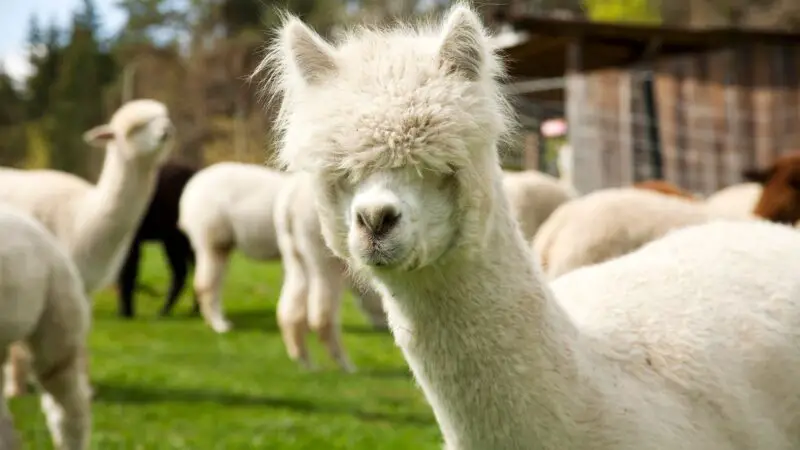
Alpacas are domesticated camelids native to South America, closely related to llamas. They are known for their soft, luxurious fleece and gentle nature. Alpacas have a distinctive appearance, with a long neck, slender body, and large, expressive eyes.
How Tall Are Alpacas?
Alpacas stand approximately 3 feet tall at the shoulder and 4.5 feet tall at the head. Their size makes them easier to manage than their larger cousins, the llamas.
Do Alpacas Have Teeth?
Yes, alpacas have teeth. They possess a set of lower incisors and a hard upper gum pad, perfect for grinding their plant-based diet.
What Are Alpacas Used For?
Alpacas are primarily bred for their fleece, which is warm, lightweight, and hypoallergenic. Their fiber is used in various textiles, from clothing to home furnishings. A single alpaca can produce approximately 5 to 10 pounds of raw fleece annually, which can be sold to textile mills, fiber processors, or directly to consumers for knitting and crafting projects. Raw fleece typically sells for $2 to $5 per pound, while processed yarn can command significantly higher prices depending on quality and processing methods. Alpacas can also be kept as pets or used for therapy programs, such as animal-assisted therapy (AAT), which involves trained alpacas visiting healthcare facilities, schools, and senior living communities to provide emotional support and improve patient outcomes. Therapy programs typically require basic training, liability insurance, and certification through recognized animal therapy organizations.
How Long Do Alpacas Live?
The average lifespan of an alpaca is 15 to 20 years, depending on factors such as genetics, diet, and overall health.
What Do Alpacas Eat?
Alpacas are herbivores, primarily grazing on grasses and hay. They may also enjoy occasional treats like fruits, vegetables, and alfalfa.
Where Are Alpacas From?
Alpacas are native to the Andean highlands of South America, specifically Peru, Bolivia, and Chile.
Are Alpacas Friendly?
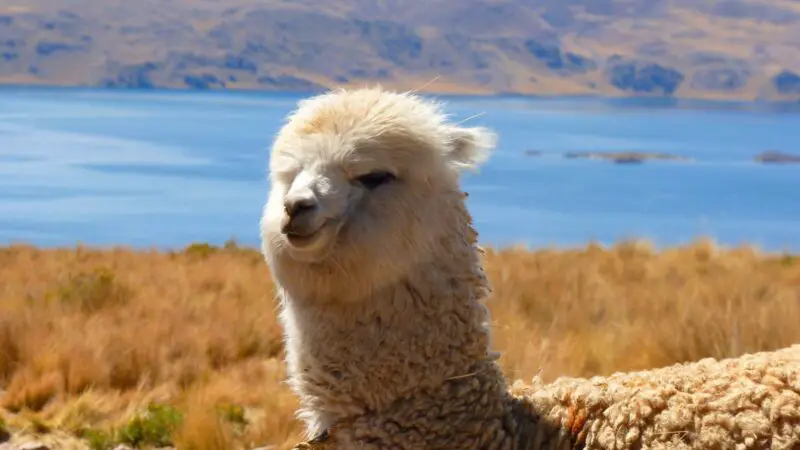
Alpacas are generally friendly, curious, and gentle animals. While they can be shy or skittish around strangers, they often form strong bonds with their caretakers.
How Much Does an Alpaca Cost?
The cost of an alpaca varies significantly, ranging from $200 for a non-breeding or fiber animal to $20,000 or more for a top-quality breeding alpaca with excellent lineage. Understanding the pricing tiers can help you determine which category best suits your goals and budget.
Alpaca Pricing by Category
Alpaca prices vary considerably based on the intended use and quality level. Pet-quality alpacas typically range from $200 to $1,500 and are suitable for families seeking companionship and basic fiber production without pedigree concerns. Breeding-quality alpacas cost between $2,000 and $8,000 and possess superior genetics, fiber quality, and conformation that make them valuable for establishing or expanding a breeding program. Show and champion-quality alpacas command prices from $8,000 to $20,000 or higher, featuring exceptional bloodlines, award-winning genetics, and proven show records that justify premium investment.
How Much Is a Baby Alpaca?
A baby alpaca, or cria, typically costs between $500 and $3,000, depending on its lineage and fiber quality. Young alpacas from proven breeding lines or with exceptional fiber characteristics command premium prices within this range.
Ongoing Costs of Alpaca Ownership
Beyond the initial purchase price, prospective alpaca owners must budget for substantial ongoing operational expenses. Understanding these costs is essential for evaluating long-term profitability and ensuring sustainable herd management.
Annual Feed and Nutrition Costs: Each alpaca requires approximately 1.5 to 2 pounds of hay or pasture daily, supplemented with grain or commercial alpaca feed. Annual feed costs typically range from $400 to $800 per animal, depending on local forage availability, feed quality, and regional pricing. Alpacas with access to quality pasture can reduce hay requirements, lowering feed expenses accordingly.
Veterinary Care and Health Management: Annual veterinary expenses average $150 to $300 per alpaca for routine wellness exams, vaccinations, parasite prevention, and dental checks. Emergency veterinary care, treatment for illness, or surgical procedures can cost $500 to $2,000 or more per incident. Establishing a relationship with an alpaca-experienced veterinarian is crucial, as not all veterinarians specialize in camelid care.
Shelter and Infrastructure Maintenance: A three-sided shelter or barn structure costs $1,500 to $3,000 to construct initially and requires annual maintenance of $200 to $400 for repairs, roof maintenance, and weatherproofing. Shelters must provide protection from extreme weather, adequate ventilation, and sufficient space (approximately 15 square feet per animal indoors).
Fencing and Land Requirements: Secure fencing costs $1,000 to $2,500 for a small herd area and requires annual maintenance of $100 to $300 for repairs and replacements. Alpacas require approximately one acre per two to three animals for grazing and exercise, with additional acreage for rotation and pasture management.
Shearing and Fiber Processing: Professional shearing costs $15 to $30 per animal annually and is typically performed once yearly in spring. Additional costs include fiber cleaning, sorting, and processing at mills, which can range from $0.50 to $2.00 per pound depending on processing complexity.
Miscellaneous Expenses: Budget an additional $200 to $500 annually for supplies such as halters, leads, grooming tools, minerals, supplements, and unexpected repairs.
What Are the Factors That Determine Alpaca Prices?
Alpaca prices are influenced by factors such as age, gender, pedigree, fiber quality, and overall health. Breeding stock with superior genetics will command higher prices.
Additionally, key breeding criteria significantly impact valuation:
fiber quality (fineness, color, consistency, and micron count) directly affects breeding value and fleece marketability;
genetics and pedigree determine the likelihood of producing superior offspring and are documented through registration with alpaca breed associations;
conformation (body structure, proportions, and adherence to breed standards) influences both show potential and breeding suitability; and
health history and genetic testing results provide assurance of disease-free bloodlines and reduced risk of inherited conditions.
Alpacas with documented show records, multiple championships, or proven offspring also command premium prices due to their demonstrated value in breeding and competition programs.
Where to Buy an Alpaca?
Alpacas can be purchased from reputable breeders, alpaca farms, or through alpaca auctions. When evaluating potential sources, prioritize breeders who provide health certifications from veterinarians, maintain detailed herd health records, and can reference previous buyers who can attest to animal quality and breeder reliability.
Request facility inspections to assess living conditions, herd management practices, and overall animal welfare standards. Verify that breeding animals have current registration with recognized alpaca associations and inquire about genetic testing for common hereditary conditions.
Red flags include reluctance to provide references, unclear pricing justifications, poor facility conditions, or unwillingness to discuss health history and genetic backgrounds.
Average Prices of Alpacas
Regional variation in alpaca pricing reflects local market demand, breeder density, transportation costs, and regional popularity of alpaca ownership. States with established alpaca industries and higher breeder concentrations typically offer more competitive pricing, while regions with limited local supply and higher transportation costs command premium prices.
Here’s a brief overview of average alpaca prices in various states:
LocationCost of Alpacas
Hawaii $2,000 – $10,000 Colorado $1,500 – $7,000 District of Columbia $2,500 – $12,000 Florida $1,500 – $8,000 Arkansas $1,000 – $6,000 Connecticut $2,000 – $10,000 Idaho $1,500 – $7,500 Alabama $1,000 – $6,000 California $2,000 – $12,000 Georgia $1,500 – $8,000 Arizona $1,500 – $7,000 Delaware $2,000 – $9,000
Higher prices in states like Hawaii, District of Columbia, and California reflect limited local breeder availability, increased transportation costs for importing animals, and stronger regional demand for alpacas as both agricultural investments and lifestyle animals.
Conversely, states with established alpaca farming communities such as Colorado and Arkansas offer more competitive pricing due to higher breeder density and local market saturation.
How to Make Money With Alpacas
Alpaca ownership can be a potentially profitable venture when approached strategically. Several revenue models exist for alpaca entrepreneurs, each with distinct startup requirements, operational demands, and income potential.
Fleece Sales and Fiber Production
Fleece sales represent the most accessible revenue stream for alpaca owners. Each alpaca produces 5 to 10 pounds of raw fleece annually, which can be sold directly to fiber mills, textile processors, or individual crafters. Raw fleece typically sells for $2 to $5 per pound, while processed yarn commands $15 to $40 per pound depending on quality, color, and processing methods.
Building relationships with fiber processors and developing a customer base through online platforms, craft fairs, and fiber arts communities can significantly increase profit margins. Premium alpaca fiber, particularly from animals with exceptional fineness and color, can generate $500 to $1,000 in annual revenue per animal.
Breeding and Sale of Quality Alpacas
Breeding quality alpacas for sale to other farmers and enthusiasts offers substantial profit potential, though it requires significant upfront investment in breeding-quality stock and expert knowledge. Breeding females (dams) can produce one cria annually, with offspring selling for $500 to $3,000 depending on genetics, fiber quality, and pedigree.
Establishing a breeding program requires careful selection of breeding pairs based on fiber quality, genetics, conformation, and health history. Successful breeders invest in genetic testing, maintain detailed breeding records, and participate in breed associations to build reputation and credibility. A small breeding operation with 10 to 15 females can generate $5,000 to $15,000 in annual revenue from cria sales, with potential for higher returns from exceptional bloodlines.
Alpaca Trekking and Agritourism
Alpaca trekking and farm experiences represent a growing agritourism opportunity. Guided alpaca walks, where visitors accompany trained alpacas on scenic trails, typically charge $25 to $75 per person per hour, with groups of 4 to 8 participants generating $100 to $600 per trek.
Farm visits, educational experiences, and photo opportunities can command additional fees. Successful agritourism operations require liability insurance, trained staff, well-socialized alpacas, and attractive facilities. Marketing through social media, tourism boards, and travel platforms is essential for building clientele. Seasonal variations and weather considerations affect revenue consistency, but established operations can generate $10,000 to $30,000 annually from trekking and visitor experiences.
Therapy and Animal-Assisted Programs
Animal-assisted therapy (AAT) programs utilize trained alpacas to provide emotional and psychological support in healthcare facilities, schools, senior living communities, and therapeutic settings.
Therapy alpacas require specialized training, behavioral certification, and liability insurance. Facilities typically pay $100 to $300 per visit, with programs ranging from weekly to monthly engagements. Building relationships with healthcare providers, obtaining necessary certifications through recognized animal therapy organizations, and maintaining strict health and behavioral standards are critical for success.
Therapy programs can generate $5,000 to $15,000 annually per trained alpaca, though startup costs and training requirements are substantial.
Are Alpacas Good Pets?
Alpacas can make good pets for those who have the space and resources to care for them properly. They require companionship, so it’s best to have at least two alpacas.
A small herd of two to three alpacas requires approximately one acre of pasture, annual feed costs of $800 to $2,400, annual veterinary care expenses of $300 to $900, and shelter maintenance costs of $200 to $400. While they may not be as affectionate as traditional pets, they can still form bonds with their caretakers and provide entertainment, companionship, and fiber production benefits.
Health and Veterinary Care
Prospective alpaca owners must budget for common health concerns and preventive veterinary care.
Parasites, including internal parasites (gastrointestinal worms) and external parasites (lice, mites), require regular screening and treatment with annual costs of $100 to $200 per animal.
Dental issues, such as overgrown teeth and malocclusion, necessitate periodic dental exams and professional care costing $50 to $200 per visit.
Respiratory problems, including pneumonia and respiratory infections, can occur in poorly ventilated facilities or during stress periods, requiring veterinary treatment costing $200 to $500 per episode.
Colic and gastrointestinal disorders may require emergency veterinary intervention costing $500 to $1,500. Annual wellness exams, vaccinations, and preventive care typically cost $150 to $300 per alpaca, with emergency care potentially doubling annual veterinary expenses. Establishing relationships with alpaca-experienced veterinarians and maintaining comprehensive health records are essential for early disease detection and cost-effective management.
Time and Labor Requirements
Alpaca ownership demands significant daily time commitments that prospective owners must carefully evaluate.
Daily feeding and watering requires 30 to 60 minutes per day for a small herd, including providing fresh water, distributing hay or pasture access, and monitoring feed consumption.
Grooming and health monitoring demand 15 to 30 minutes daily for observing animal behavior, checking for signs of illness or injury, and maintaining coat condition.
Seasonal shearing requires professional assistance costing $15 to $30 per animal and consuming 2 to 4 hours per animal, typically performed once annually in spring.
Facility maintenance, including shelter cleaning, fence repairs, and pasture management, requires 2 to 4 hours weekly.
Herd management tasks such as breeding records, veterinary appointments, and training demand 5 to 10 hours monthly. Total weekly time commitment averages 8 to 15 hours for a small herd of 3 to 5 animals, increasing proportionally with herd size. Understanding these labor requirements is essential for assessing profitability margins and determining whether alpaca ownership aligns with your lifestyle and business goals.
Frequently Asked Questions
What’s the Difference Between a Llama and an Alpaca?
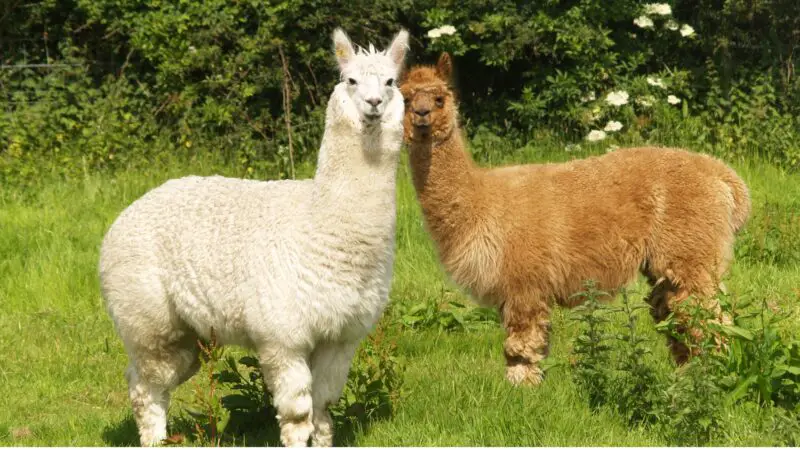
Llamas are larger than alpacas and have a more elongated face. Alpacas have softer, denser fleece, while llamas have coarser hair. Llamas are often used as pack animals, whereas alpacas are primarily bred for their luxurious fleece.
Related: Llama Price Guide | How Much Does a Llama Cost?
Can You Ride an Alpaca?
Alpacas are not suitable for riding due to their smaller size and delicate bone structure. They can, however, participate in activities such as alpaca trekking, where they accompany walkers on a lead.
Alpaca trekking represents a monetizable agritourism service in which trained alpacas guide visitors on scenic walks, typically charging $25 to $75 per person per hour. Operators must maintain liability insurance, ensure proper alpaca training and socialization, and manage group sizes appropriately to ensure animal welfare and visitor safety.
Are Alpacas Dangerous?
Alpacas are generally docile and gentle animals. However, they can become defensive if they feel threatened. It’s essential to treat them with respect and give them space when needed.
Why Do Alpacas Spit?
Alpacas spit as a defense mechanism or to establish dominance within their social hierarchy. While it’s generally aimed at other alpacas, humans may inadvertently become targets if they’re caught in the crossfire.
What Is a Group of Alpacas Called?
A group of alpacas is called a herd.
Final Thoughts
Alpacas are fascinating animals with a range of uses and a diverse price range. Owning and breeding alpacas can be a rewarding experience and a potentially profitable venture. Understanding their costs and characteristics is vital before taking the plunge into the world of alpacas. However, profitability requires realistic expectations about timelines and return on investment.
Most alpaca operations require 3 to 5 years to recoup initial investment through fleece sales, breeding revenue, or agritourism activities, depending on your chosen business model and market conditions.
With the right knowledge, resources, strategic planning, and commitment to animal welfare, you could be well on your way to a successful alpaca endeavor that generates meaningful income while providing the satisfaction of working with these remarkable animals.